If you are a culture buff and a tourist snob like me, you tend to avoid a major tourist destination like Verona or its neighbour Venice. Throngs of mindless FOMO noisy sheep in human forms by the truckload are dumped onto the grounds of Verona where their only reference to the city is ‘a film called Romeo and Juliet starring Leonardo di Caprio‘.

But why should we give up Verona because of them? Verona has a wonderfully long and rich history, and it is a main opera venue.
Fret now. Here are some ways (and locations) in which you can get far away from the maddening crowd.
Sunrise (not Sunset) at the Castel San Pietro
First off, a bit of history to help set the scene. Located at the foot of the Lessini mountains on the River Adige, Verona was first inhabited in the Colle San Pietro as early as the Neolithic period.
Prior to the Roman period (2nd century BC), there were at least two tribes which coexisted here: the Veneti, who were a native tribe living below the Alps in the current Veneto region, and the Cenomani Gauls, which were a Celtic tribe that migrated from the west.
With the rise of the Rome, an alliance was built between these tribes and the budding empire, that helped the Romans defeat surrounding populations. By 174 BC, both Roman settlers and the indigenous Cenomani and Veneti built a new city across the river, and this became the Verona we know today.
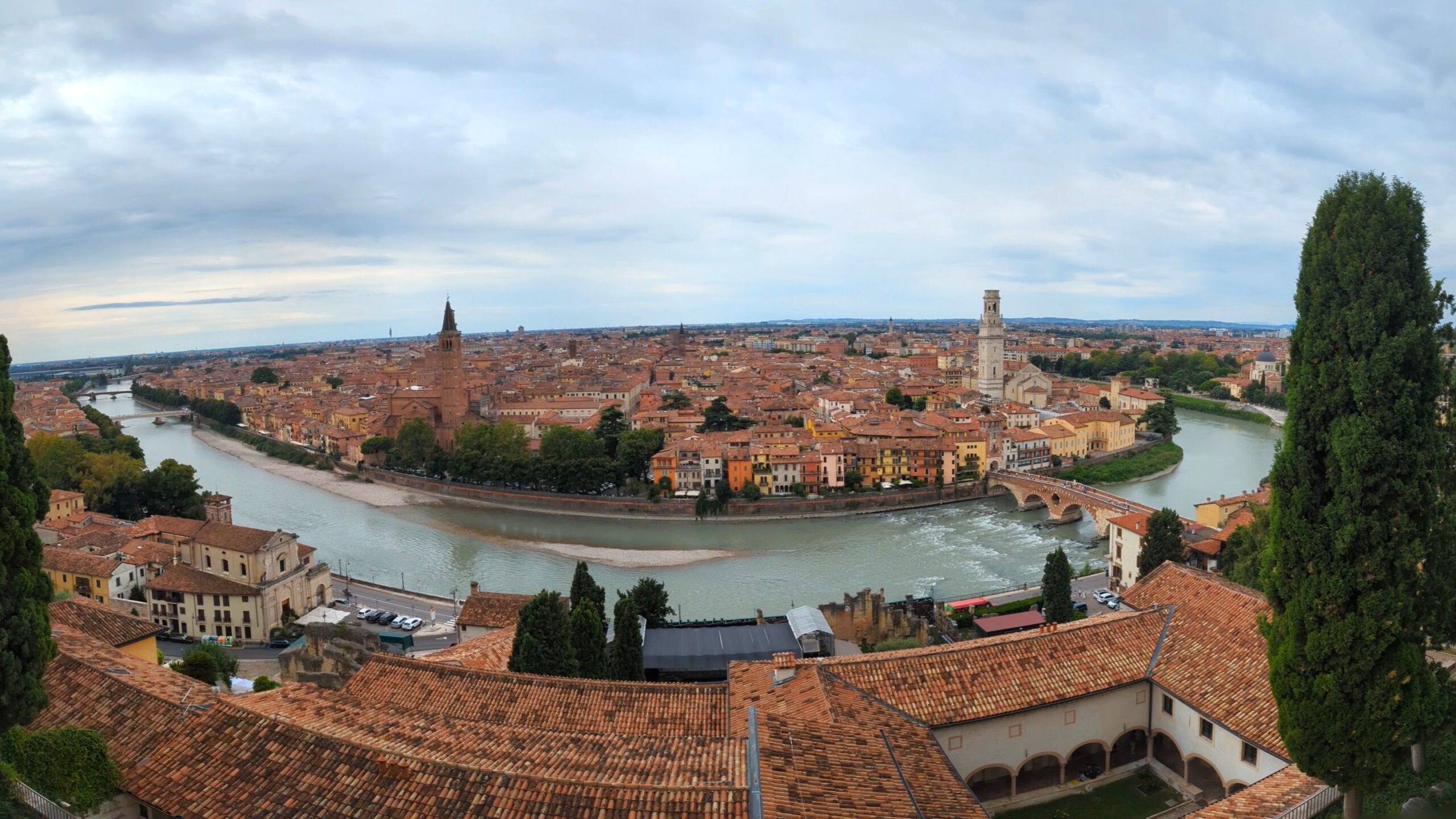
Perched on top of the Colle San Pietro, is the Castel San Pietro. It offers a wonderful panorama of Verona. You can either walk up on foot or use the funicular. In Roman times, the hill was called “Monte Gallo” (Mount Gallic) and it had a strong religious function thanks to a temple, and a theatre still preserved today. On the remains of the Roman temple, a church was built dedicated to St Peter in the Middle Ages, which gave the hill and the fort its current name.
Because it was so strategic, the hill became heavily fortified by the ruling Cangrande della Scala in 1321, then in the 15th century by Castello Visconteo. Unfortunately, all these fortifications were destroyed by the Napoleonic army in 1801. In its place, the Habsburg field-marshal Radetzky had barracks built for the accommodation of Austrian soldiers. This is the building that you see today.


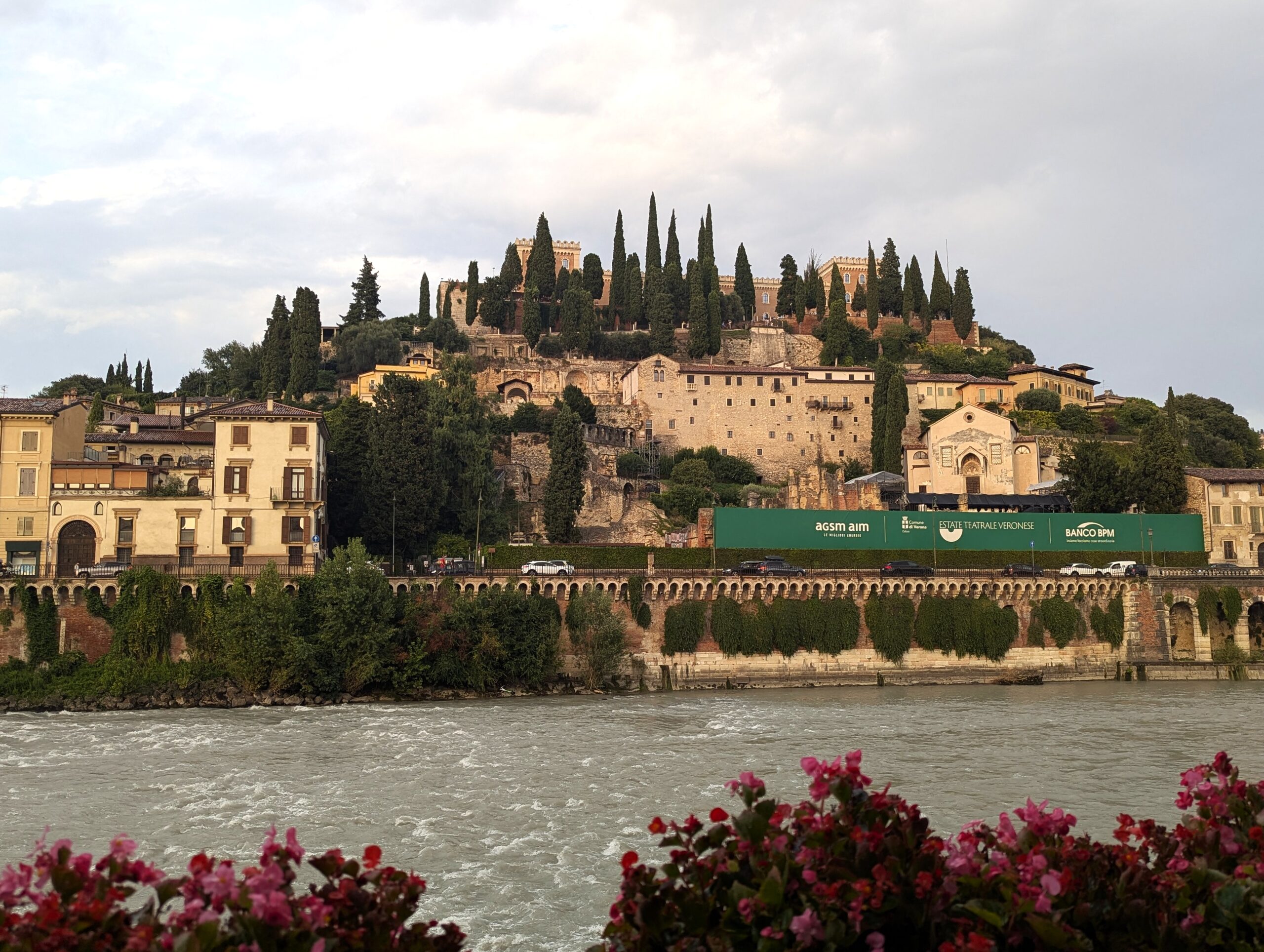
As advised by many online sources, tourists flock to this spot to catch the sun setting behind Verona. This makes the way up or down, and also the experience itself, extremely unpleasant. My advice is: Go for sunrise. Sunset does not make sense because you cannot see the city because it will be all dark. Sunrise lights up the city and has far fewer tourists.
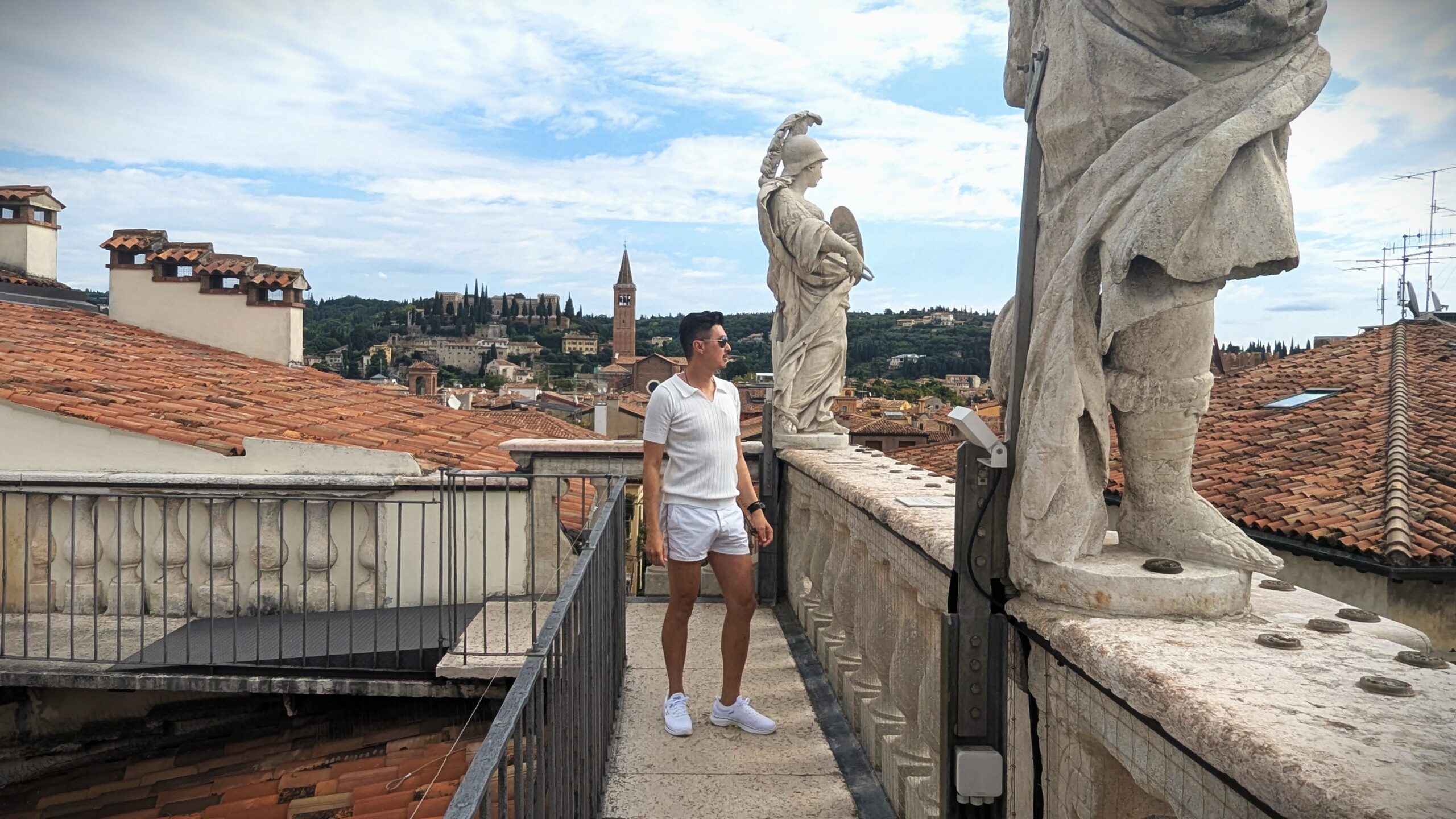
Explore the Palazzo Maffei Museum
The Palazzo Maffei is a world-renown art museum housed in the magnificent 17th century city palace of money-changers Marcantonio and Rolandino Maffei.
The museum is located on the central Piazza delle Erbe.
Here, you can easily avoid the leopard-print leotard crowd who throng the square below. More on how to avoid that later.
In the museum, the collection spans over 4,000 years and includes non-European artefacts. My favourite was one of the few surviving 1831 prints of The Great Wave off Kanagawa 神奈川沖浪裏 by Katsushika Hokusai 葛飾北斎.


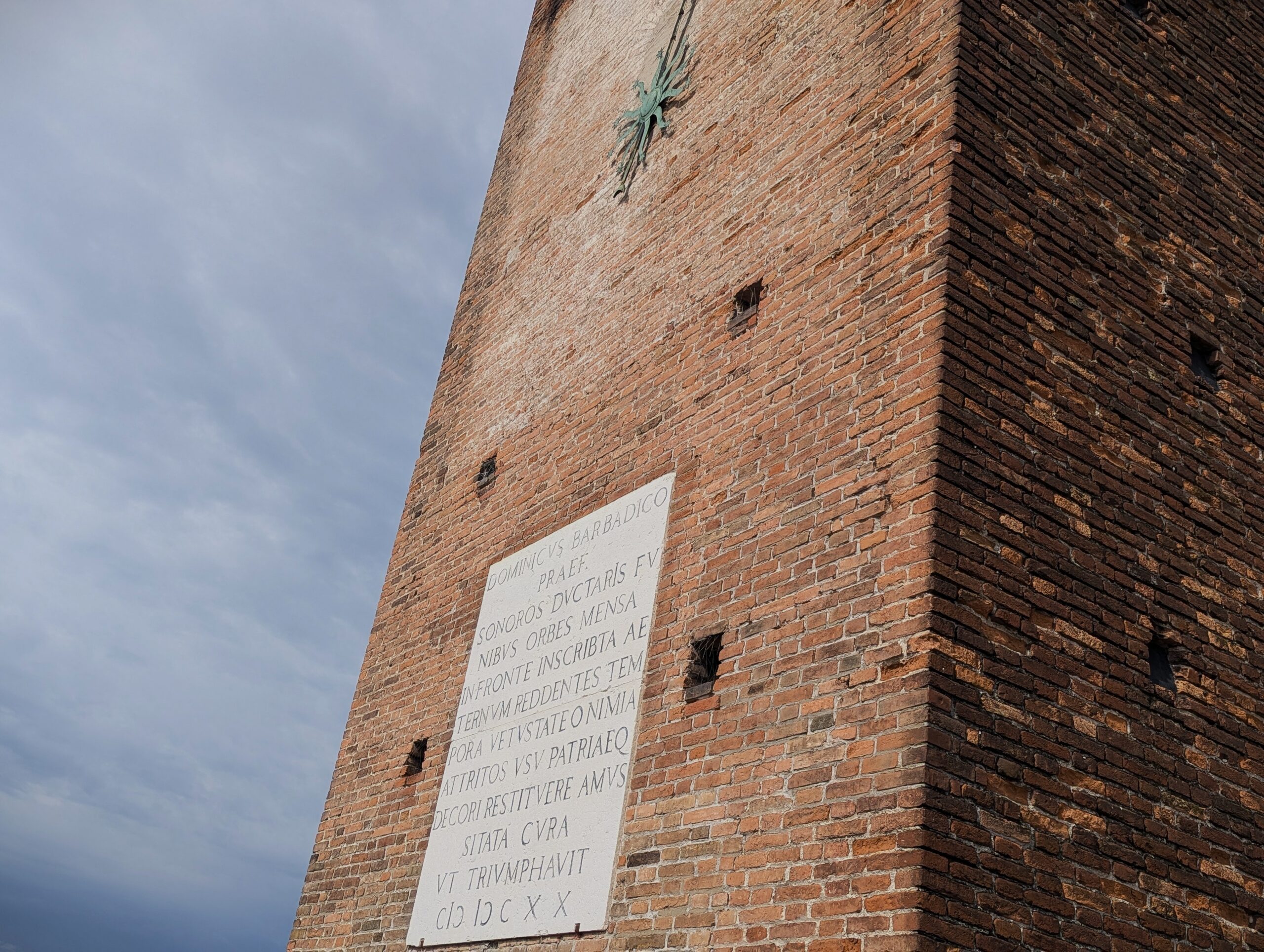


On the rooftop, you will get to admire the whole of Piazza delle Erbe, which used to be the Roman Forum.
Towards the northeast, is the Corso Sant’ Anastasia which leads to the Basilica di Sant’ Anastasia. Corso Sant’ Anastasia was part of the East-West Roman “maximum decumanus” which used to lead to a Roman bridge called Pons Postumius across the Adige. This bridge would have led to the Roman theatre below the Colle San Pietro.
Towards the southwest, is the Corso Porta Borsari, which was of course part of the axis, which still leads to the Porta Borsari. Porta Borsari is one of the two surviving Roman city gates of Verona.

Experience a living Roman Amphitheatre at the Arena
The Verona Arena is the largest Roman remains of the city and is still in use for its original function. Built between the 1st to the 3rd century, the Verona Arena now hosts an annual opera season called the Arena di Verona Festival, and it has run uninterrupted since 1913.
The outer wall however was destroyed by Theoderic the Great, king of the Ostrogoths (475–526) – one of the barbaric Germanic tribes that destroyed Rome. You can still see a tiny piece of it today.
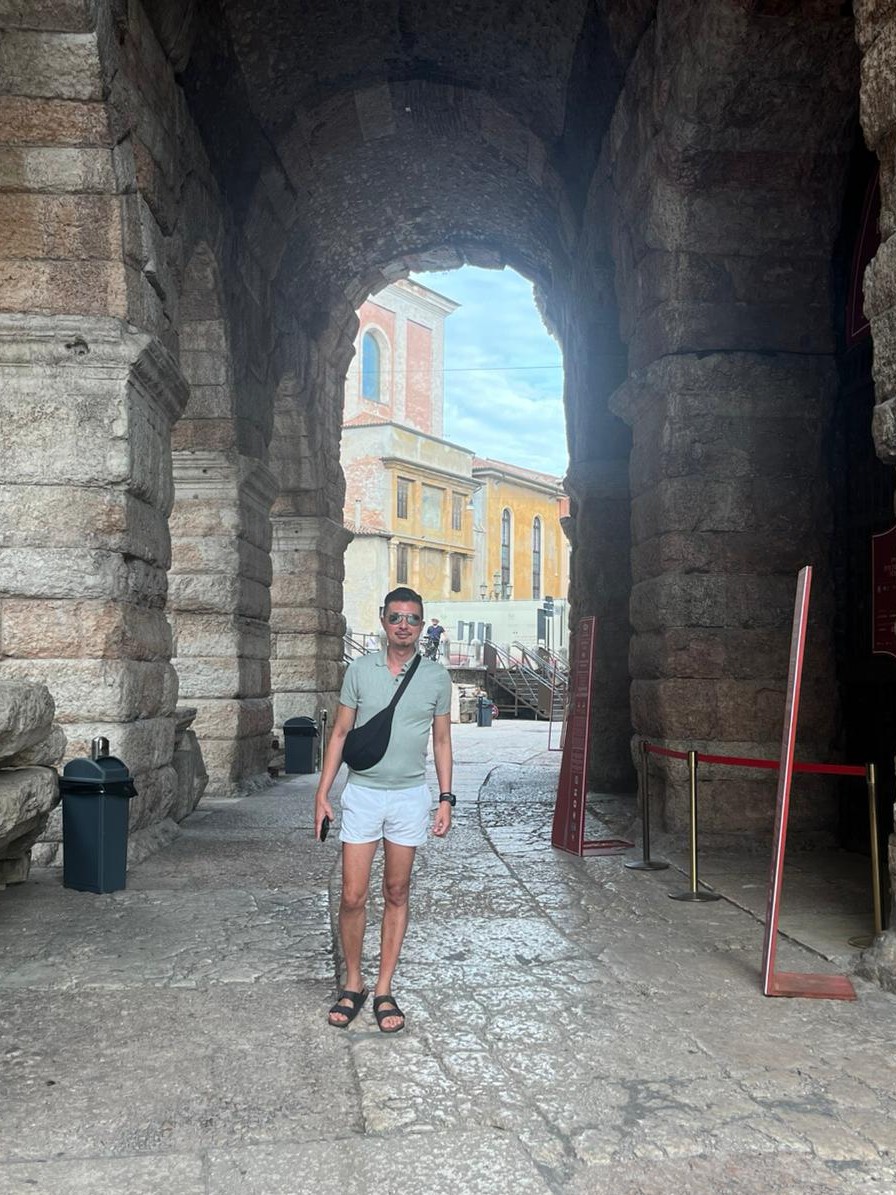
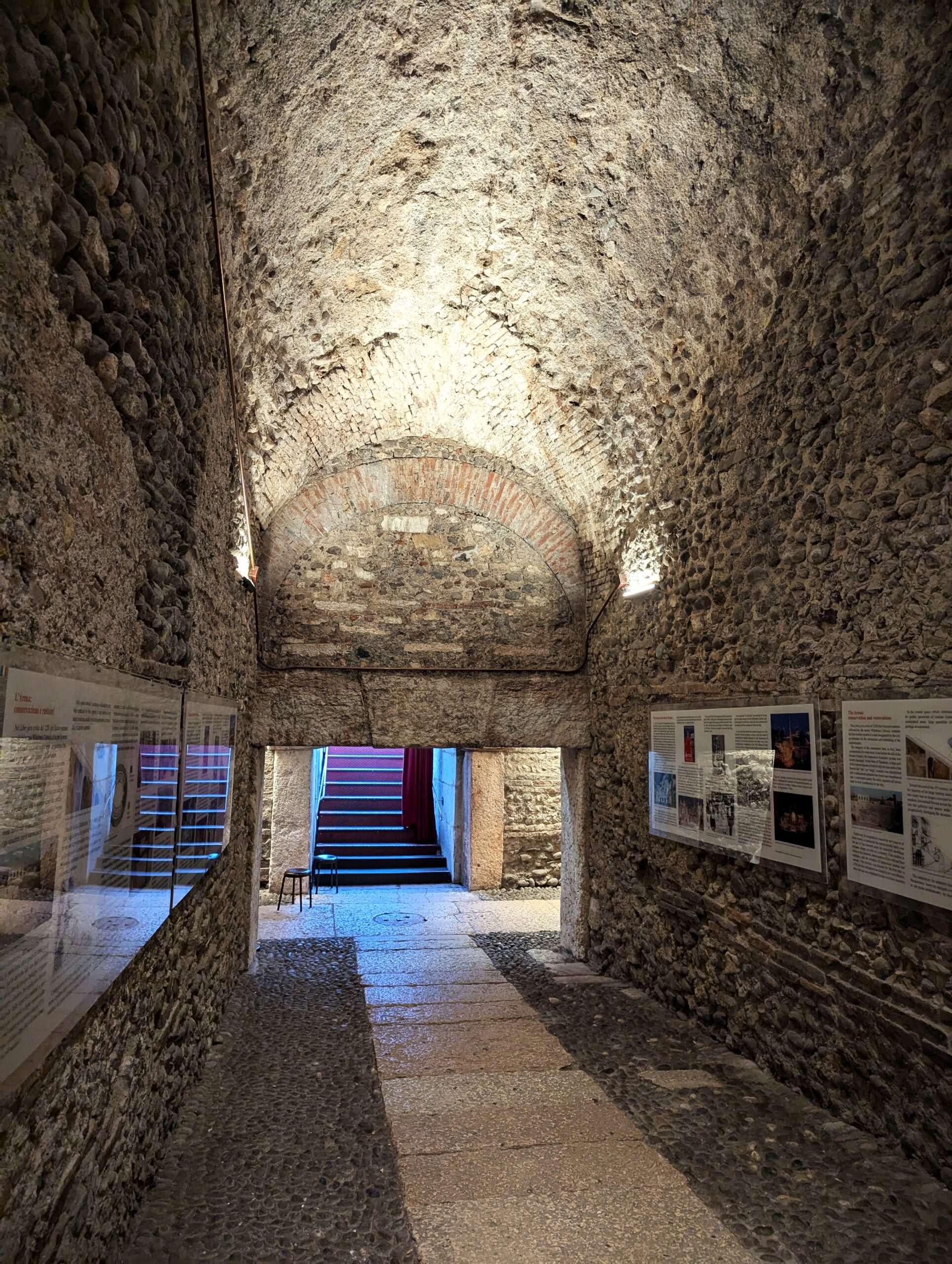


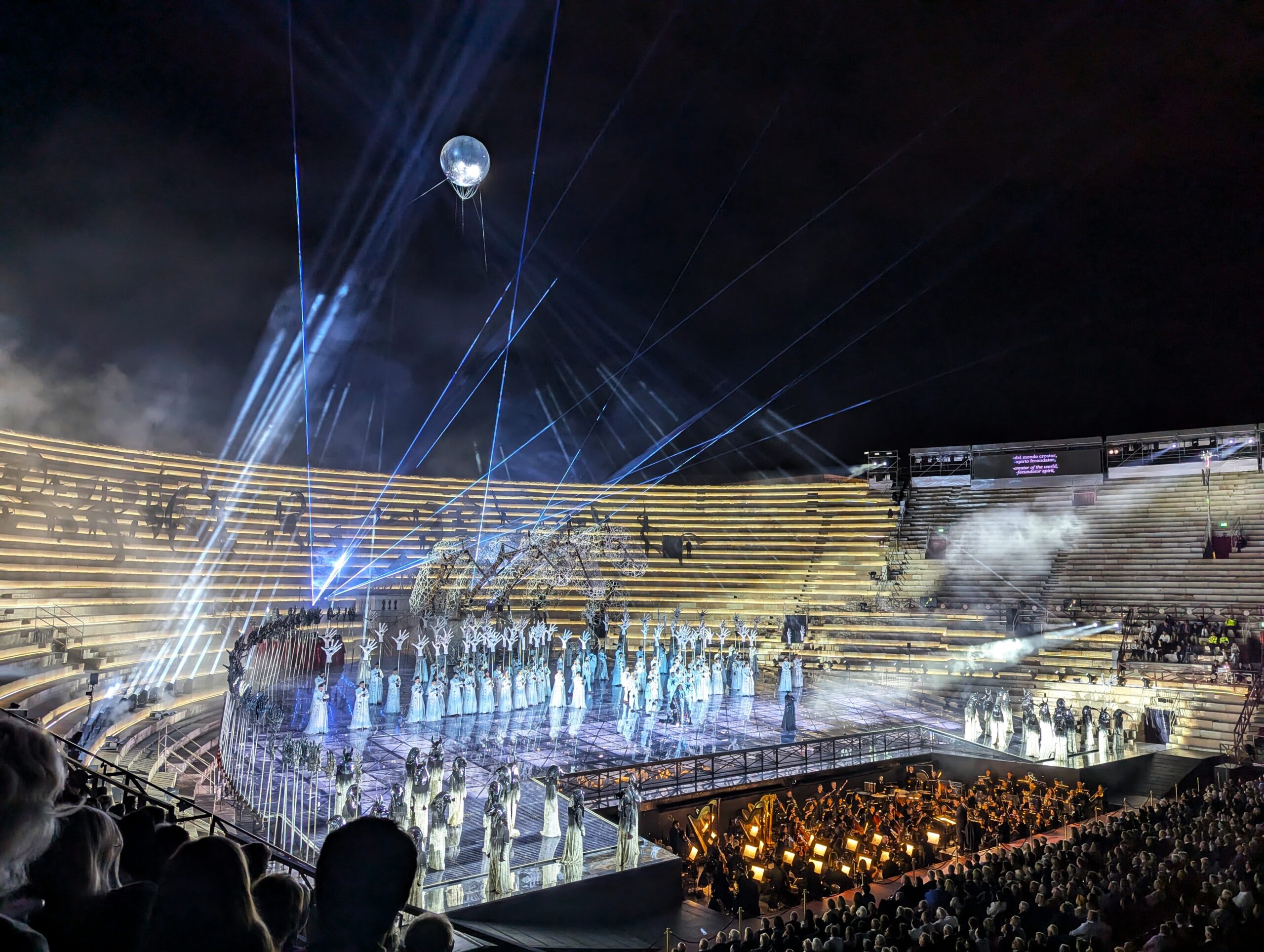
If you are an opera fan, book your assigned seating tickets as early as you can, because they go fast. Once you are there, bear in mind that the seats are hard. You can either rent a cushion on site, or buy one from the roving stands outside the amphitheatre.
For traditionalists, you may be disappointed because the scenes cannot be tied to the originals: it will be too dark, too far from the audience, and the stage is too big. Instead, the opera will be a gigantic spectacle with lasers and fires. What WILL blow your mind, as it did mine, is that the singers will not be using microphones, even with 30,000 spectators! That’s Roman engineering for you.
Outside the Arena is the biggest square of Verona, the Piazza Bra.
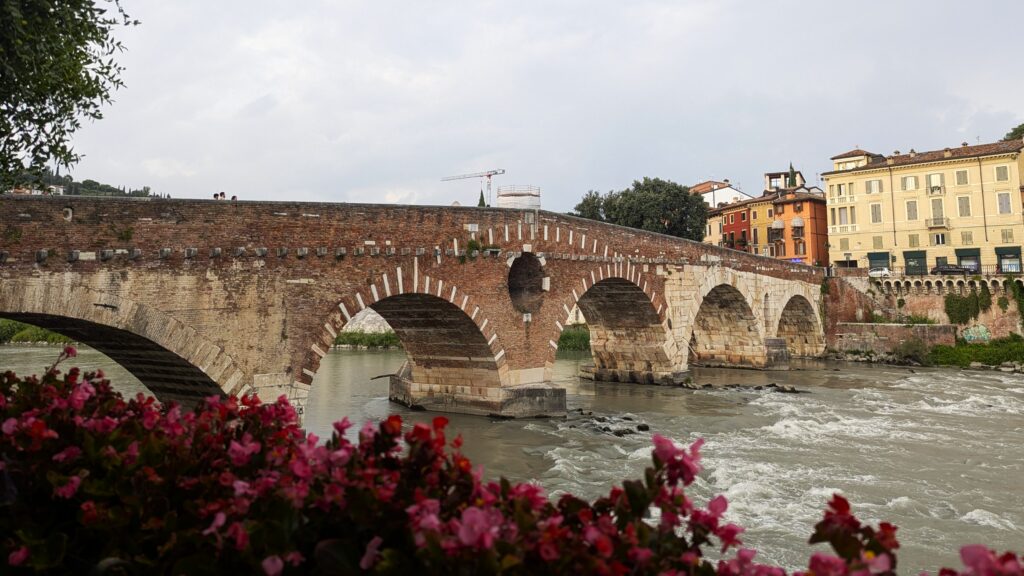
Sip Prosecco by the Ponte Pietra
Ponte Pietra is another Roman remain of Verona. Completed in 100 BC, it used to be called ‘Pons Marmoreus‘ (Marble Bridge) or ‘Pons Lapideus‘ (Stone Bridge), flanking the aforementioned ‘Pons Postumius’, which led people and goods to and from the Colle San Pietro across the Adige.
It is a major tourist attraction, so do spend the most bearable amount of time there to experience the history of it all. But the best way to enjoy it, is to watch it from a distance.
Along the Via Ponte Pietra leading to the bridge are some bars and restaurants. At their back are sheltered terraces from which you are better admire the Roman engineering, while enjoying your Italian aperitivo with some salumi, cheese and very high quality Prosecco. I suggest going there in the late afternoon/early evening before dinnertime, as the sun will cast its golden glow onto the bridge and the Castel San Pietro.

Weekdays and Nights are best for the Piazzas
Piazza delle Erbe is Verona’s most famous and most beautiful square. Built on the former Roman forum, it is surrounded by 15th century buildings with original frescoes, and towered over by the Torre dei Lamberti. At its centre is the 14th century Fontana di Madonna Verona, whose Madonna actually dates to 380 AD.
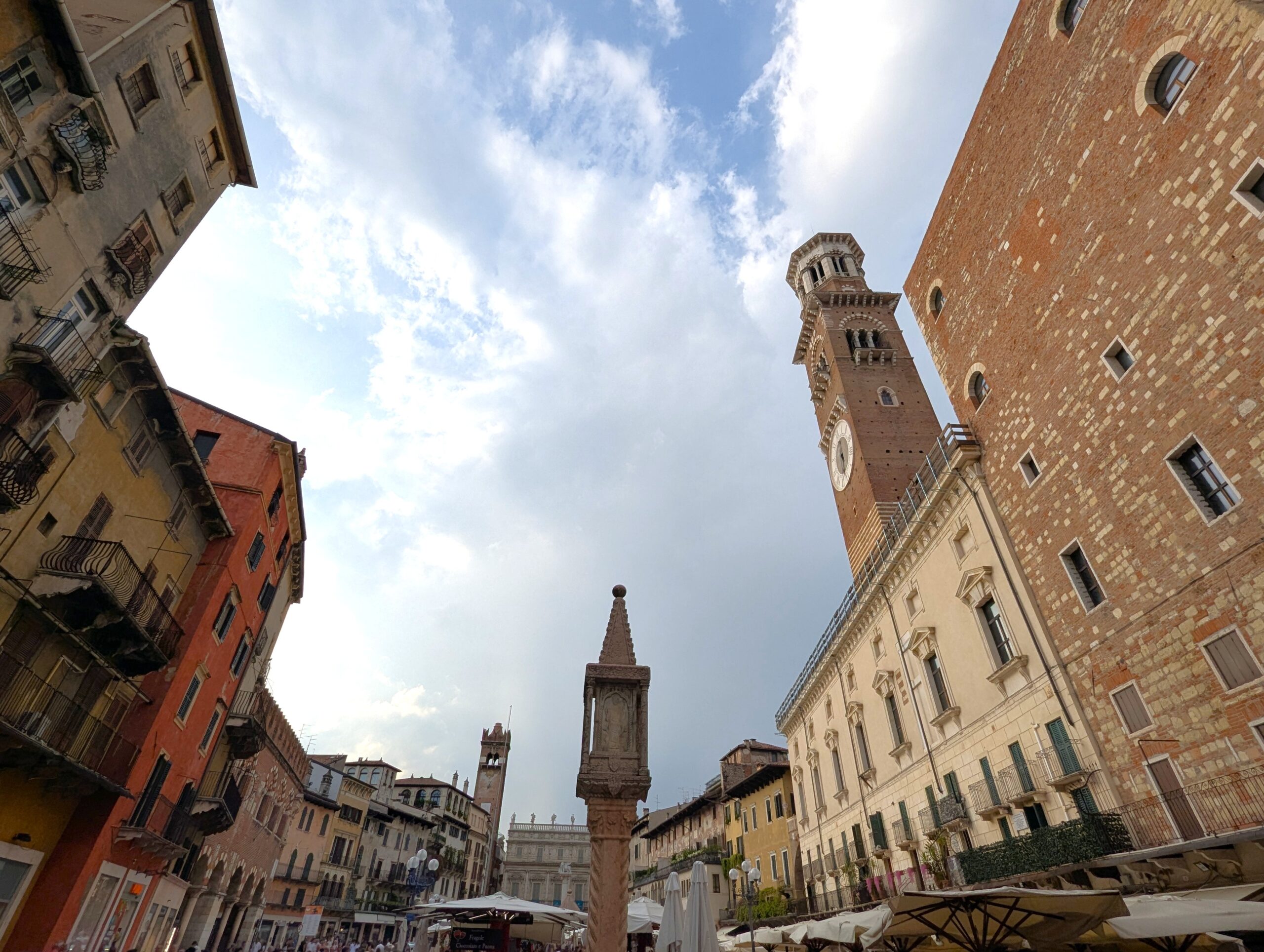


However, this place is filled to the brim especially during the weekends, by loud English-speaking tourists whose nationalities I shall not name. It is hard to take in the sights without being annoyed.
But once night creeps in, and these people are either bussed off to Venice or went for their early dinner, the frightful tourists memorabilia stalls fold up, the square’s beauty is there for you to behold.
The other square you have to visit is the Piazza dei Signori. You will recognise it instantly because of the statue of Dante Alighieri.
After he was exiled from Florence, Dante sought refuge here in Verona in 1312, hosted by its powerful ruling family della Scala. He spent seven years here, writing De Monarchia and a part of Paradiso. Cangrande della Scala, its ruler, was featured in the Divine Comedy as the enlightened prince.


Come here at night, to experience the magic of this Dante Square. Enclosed by the 15th century Loggia del Consiglio and the Palazzo del Podestà which was the former palace of Cangrande I della Scala, the Piazza dei Signori becomes tranquil, serene, where you can ruminate about its history and Dante under the breezy, star-lit night sky.
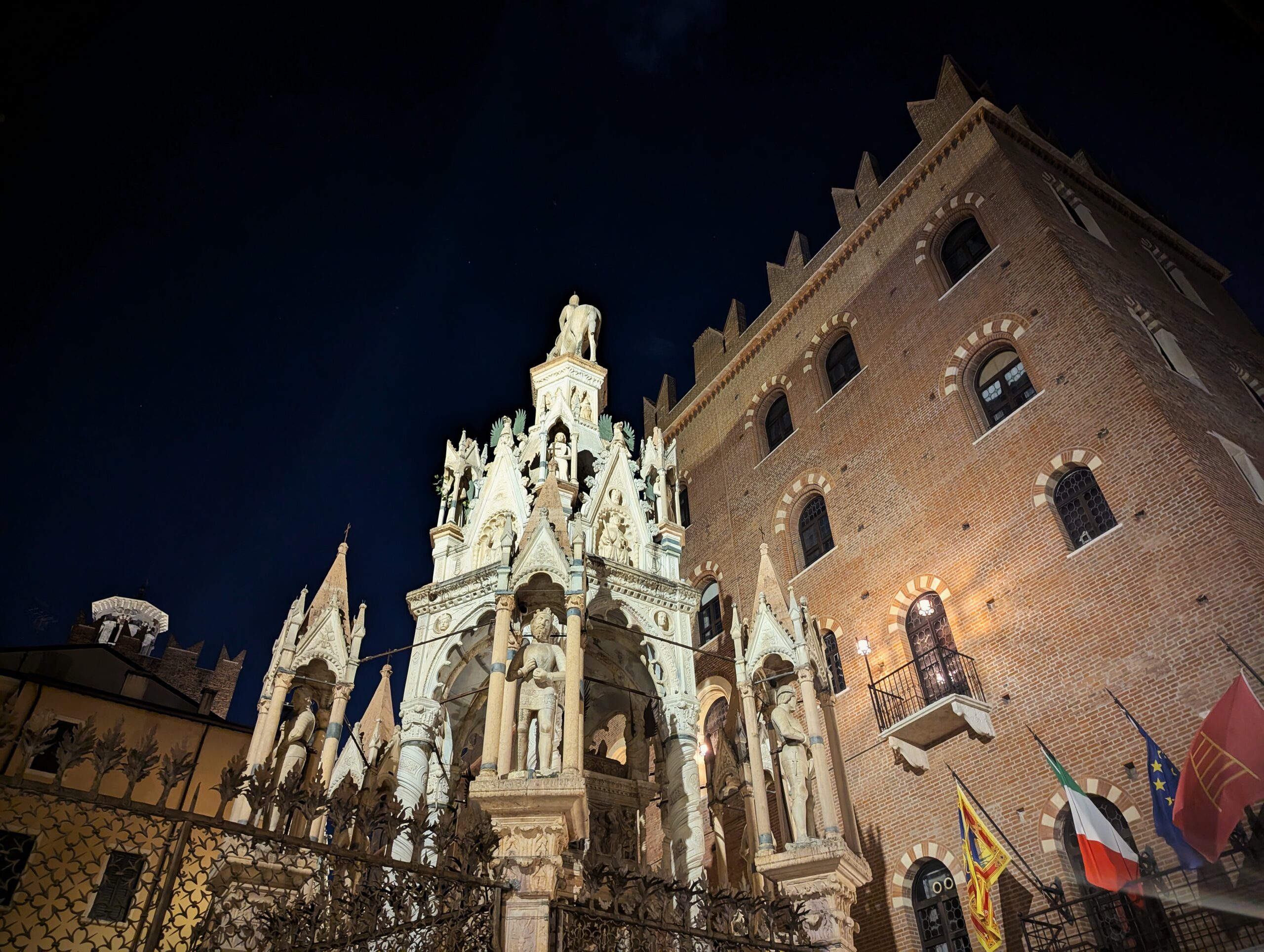
Another tip: Arche Scaligere. The Scaliger Tombs of the 14th century Verona rulers come alive at night. They are just by the Piazza dei Signori, so pop by when you are there to listen out for the ghostly whispers of its inhabitants.

Roman Remains in Plain Sight
“All that glisters is not gold
Often have you heard that told.”
Even if it glitters, I am not sure the ignorama would see the Roman remains of Verona.
Apart from the famous Arena and the Ponte Pietra, Verona has many Roman remains right before one’s very eyes that many just pass them by.

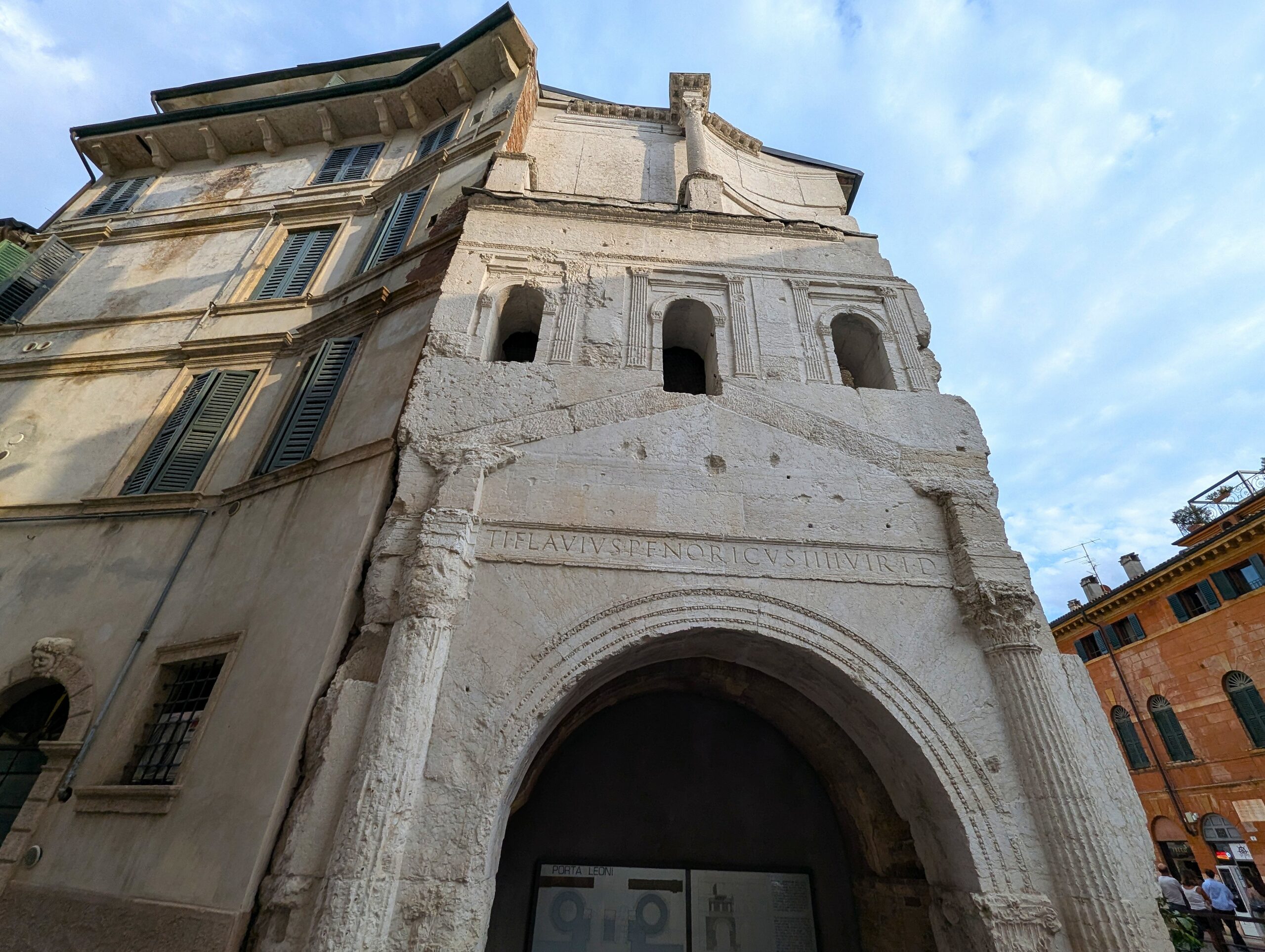

The limestone gate ‘Porta Borsari‘ that dates from the 1st century served as the main entrance into the city during Roman times. Its back part does not look impressive but its extra-muros front looks exactly like when it was built. Do not be fooled by its small size, the gate was much much large because it comprised all the surrounded compound.
To understand what that looks like, head to the ‘Porta Leoni‘. Now, Porta Leoni looks even worse preserved than Porta Borsari, with only a wall left. Yet around it, you will be the foundation of one of the towers and buildings that the gate used to contain. So each city gate was not just a few arched walkways, but an entire defence system.
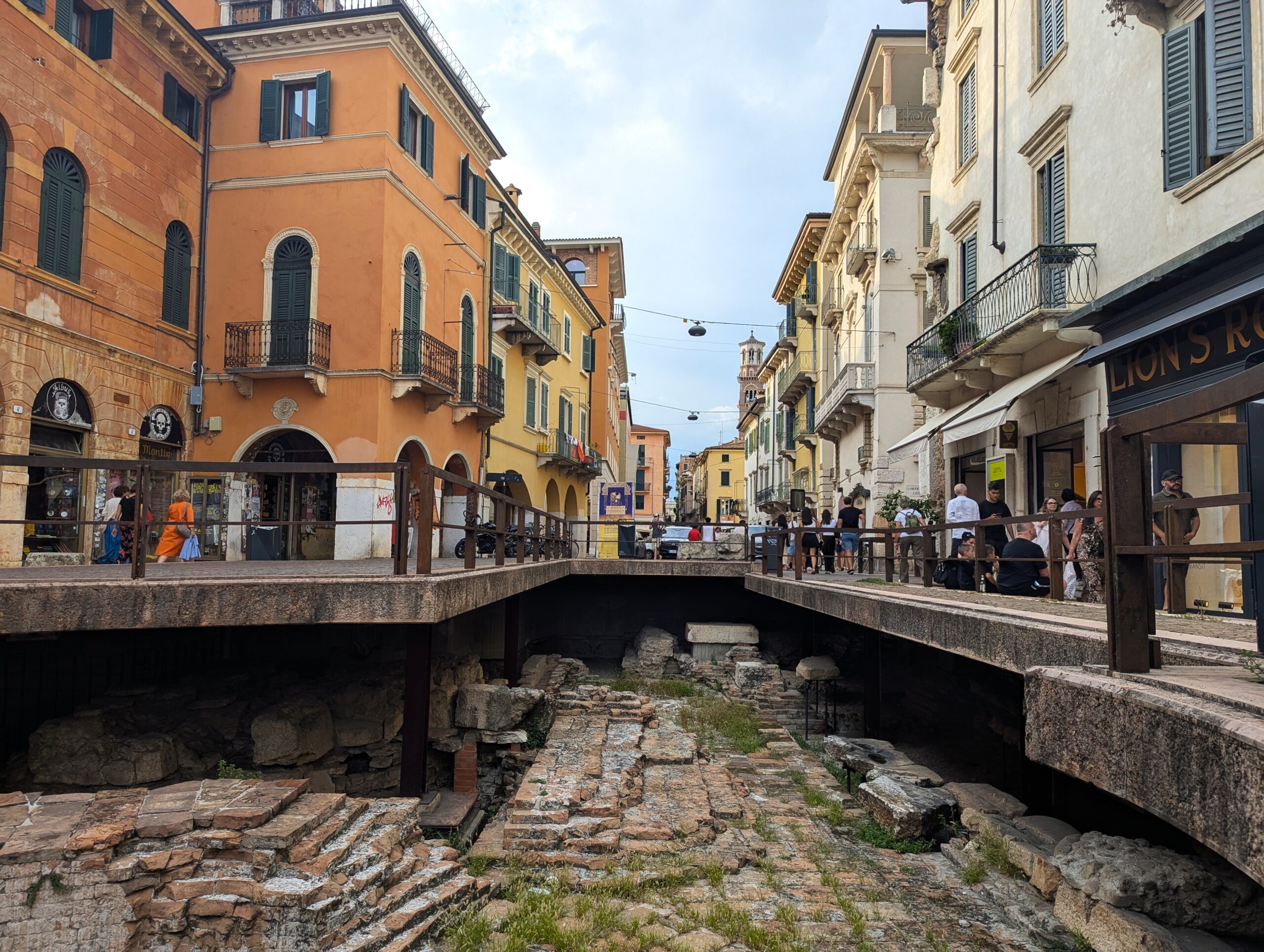
Another site that most tourists miss on the Piazza dei Signori. Right at the foot of the Palazzo del Capitanio, is a Roman road, rediscovered during the 1980s. You can even go down to it and walk on it.
As part of this experience, explore the Scavi Scaligeri which is an underground exhibition space that lets you explore the Roman and medieval remains of the area.
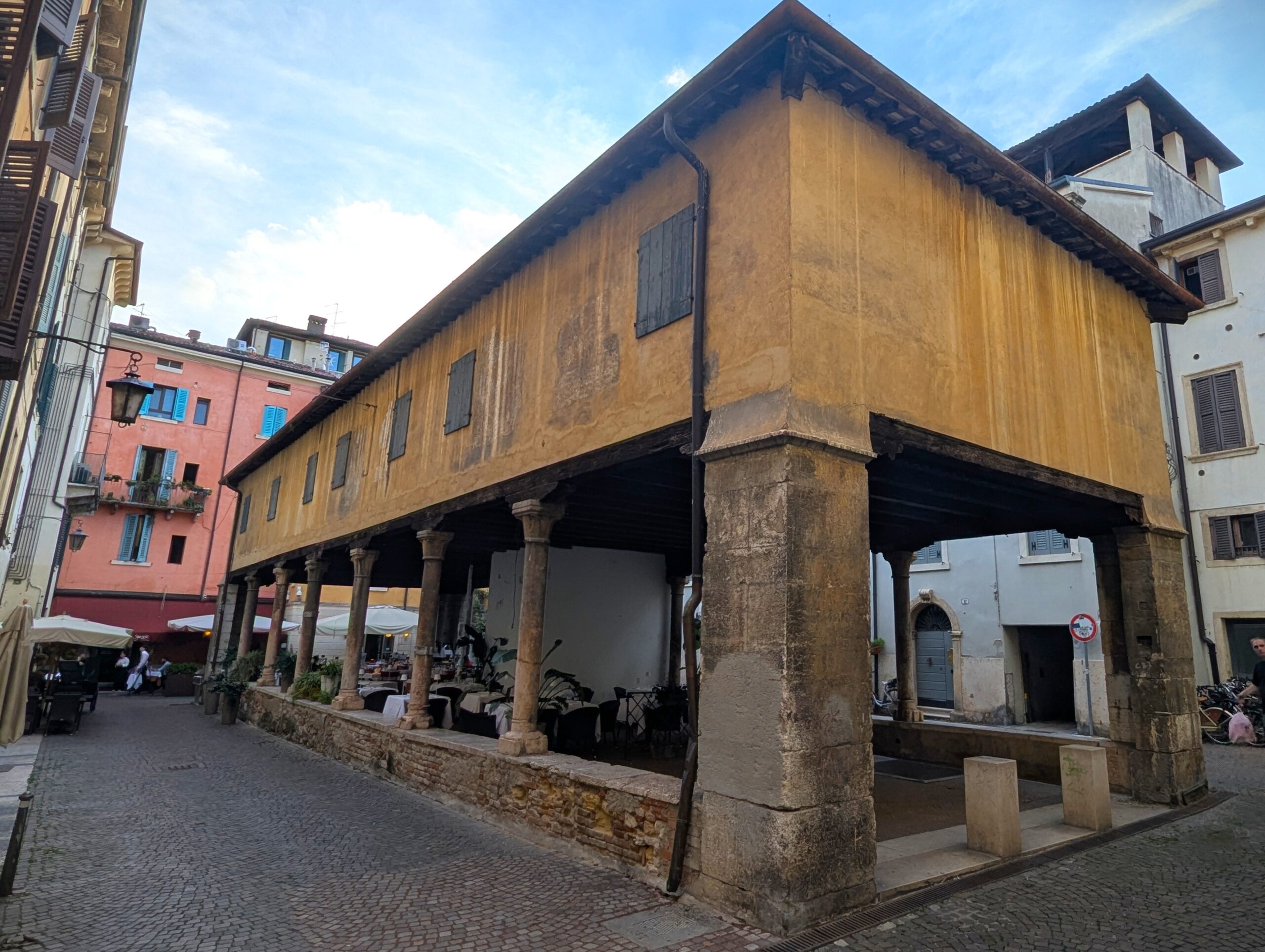
Another huge tip: In a secluded enclosed square called Corte Sgarzarie, there is a medieval loggia which serves as a terrace for the restaurants around. Underneath this loggia, is actually the remains of a Roman temple and some Roman roads. To visit, you will have to make an appointment at the Area archeologica di Corte Sgarzerie.
Escape the Heat in Churches and Museums
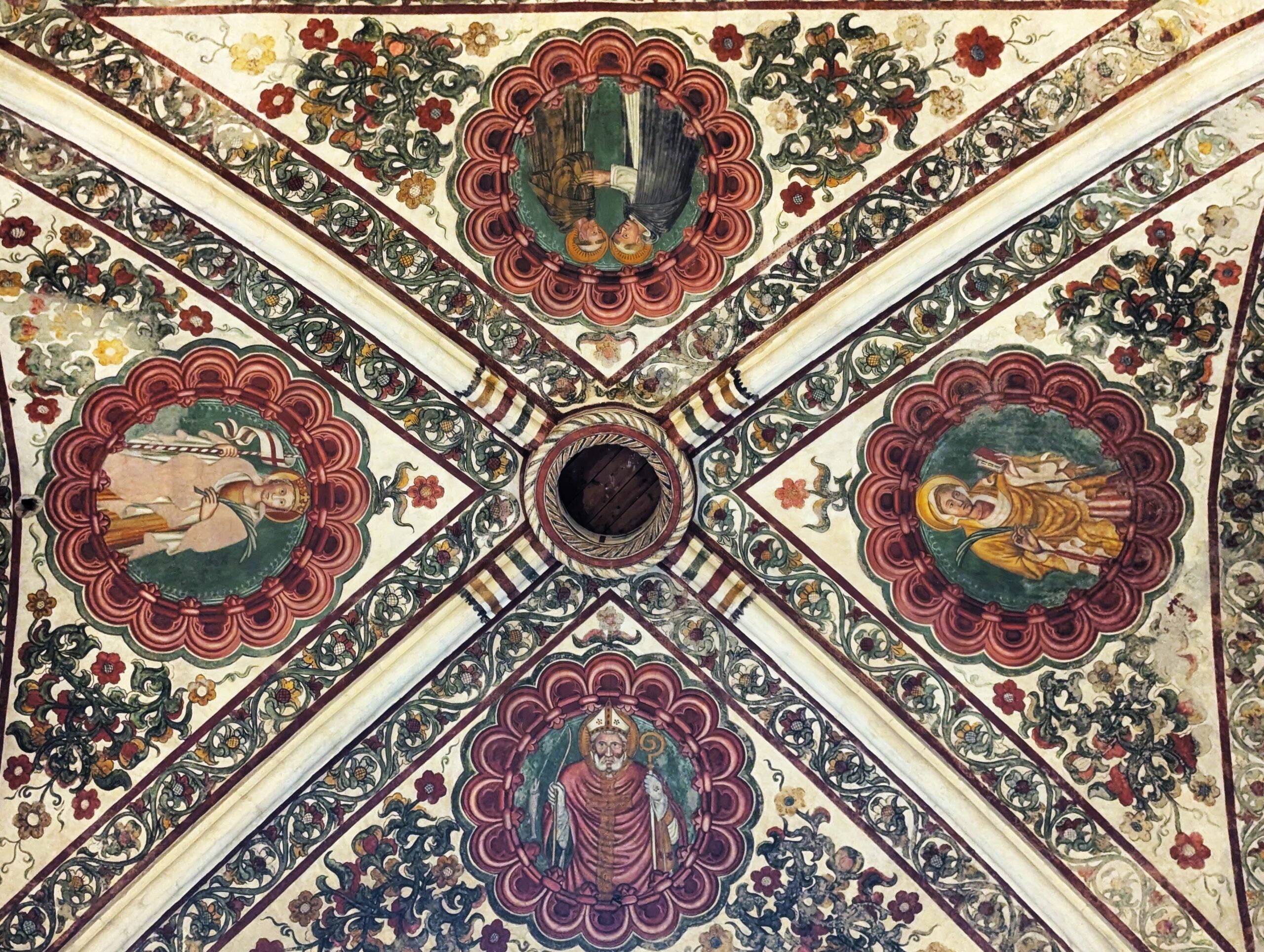
Whenever on holiday in the summer, if I were not to be by the pool or sea, I turn to visiting churches. They are wonderful cool refuge from the sweltering heat.
In Verona, Basilica di Santa Anastasia is worth a visit. So is Cattedrale di Santa Maria Matricolare. The latter used to belong to a monastery and houses ‘the world’s oldest library’ (517 AD).



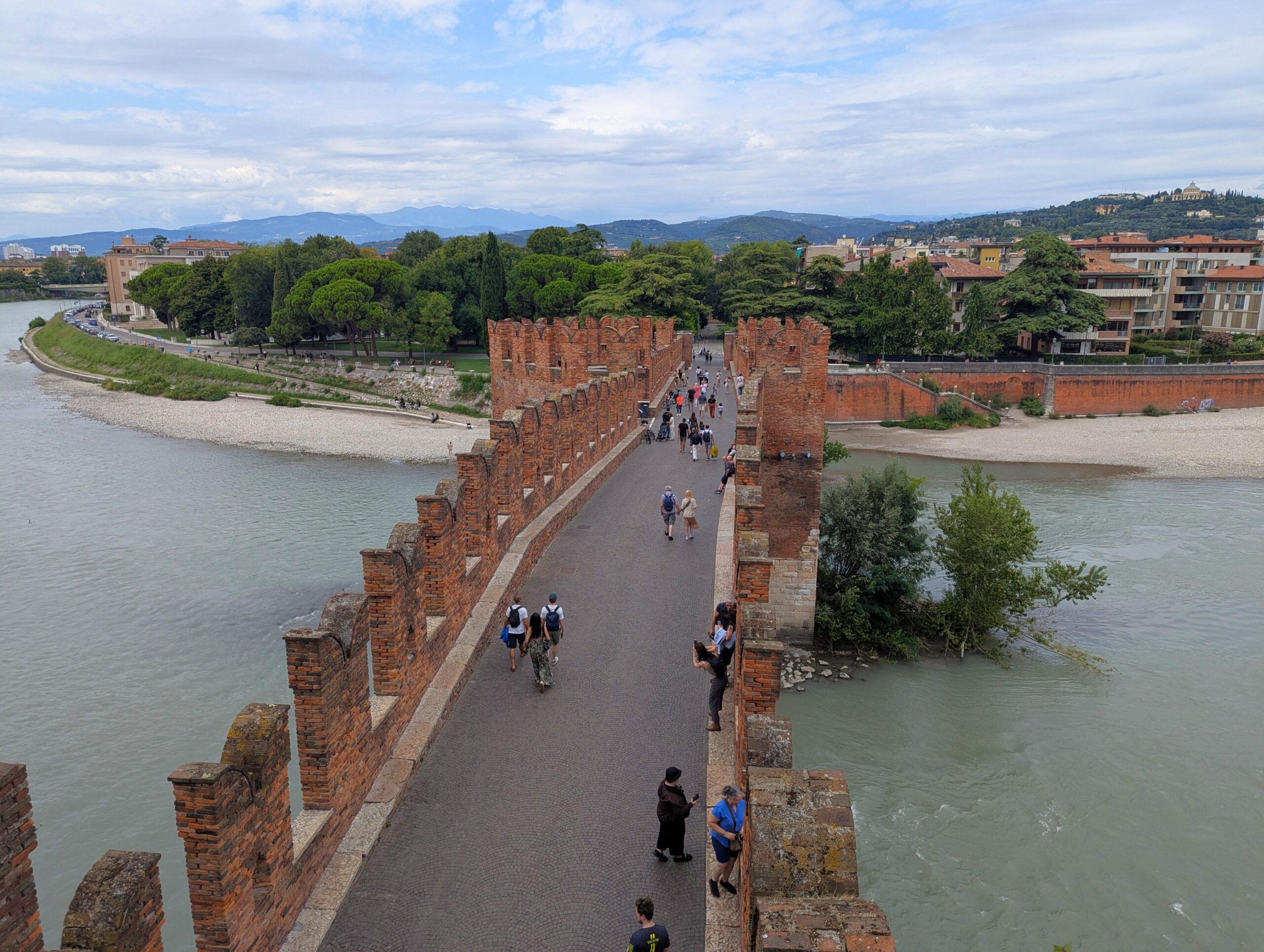
Another place where I escaped the heat was the Castelvecchio Museum. Castelvecchio was a castle built between 1354 and 1356 by Cangrande II della Scala. It was heavily bombed in the second world war and was restored by Carlo Scarpa in 1959-1973 to become a museum of religious art. The Castelvecchio features a reconstructed bridge from the 1350s now called the Ponte Scaligero.

Where to Wine and Dine in Verona
One never eats badly in Italy. That is true. But alas, touristy restaurants are also abound in Italy, especially in touristy places like Verona. They cater to American stereotypes of Italian cuisines (note the plural) in order to make a living. However, for food connoisseurs like us, we want to taste authentic cuisines not because we are snobs (we are). But because we understand that learning about a place, a culture, a history requires one to be adventurous and be ready for surprises. It also requires humility, where one accepts one’s ignorance and preconceptions.
Aperol Spritz is for the type of people who watch the Jerry Springer Show, and believe it to be real. You are not one of those.
If you are in Verona, you are in luck. The Veneto region is the Jerusalem of great wines! Here are a few you should taste and bring home:
Proseccos are NOT Italian champagnes!! Proseccos are fresh, dry and complex. Here, people drink them in a wine glass, and they should. Look out for the DOCG labels because those are of the best qualities.
Valpolicella is a wonderful light red wine for the summer. Served slightly fresh, it will go well with the traditionally heavier Verona cuisine. If not, go for Bardolino, its neighbour, which is even lighter so you can certainly appreciate the chilled light red for your aperitivo.
Amarone della Valpolicella is the heavyweight of the region. A prized prestigious red wine, the Amarone is bold and rich. It is a bottle you have to go with a good steak on winter nights.
Soave is the white Veneto wine which covers a wide range of qualities. To ensure you get the good ones for your fish or chicken dish, ask for one with the Soave Superiore DOCG label.
For a real, non-touristy local bar, check out:
Bar G. & G.
Via Fama

The internet is abound with suggestions on the traditional dishes you should try in Verona. It is not the intention of this article to add to the fray. Below are some of the ones which I like and why I think they are good:
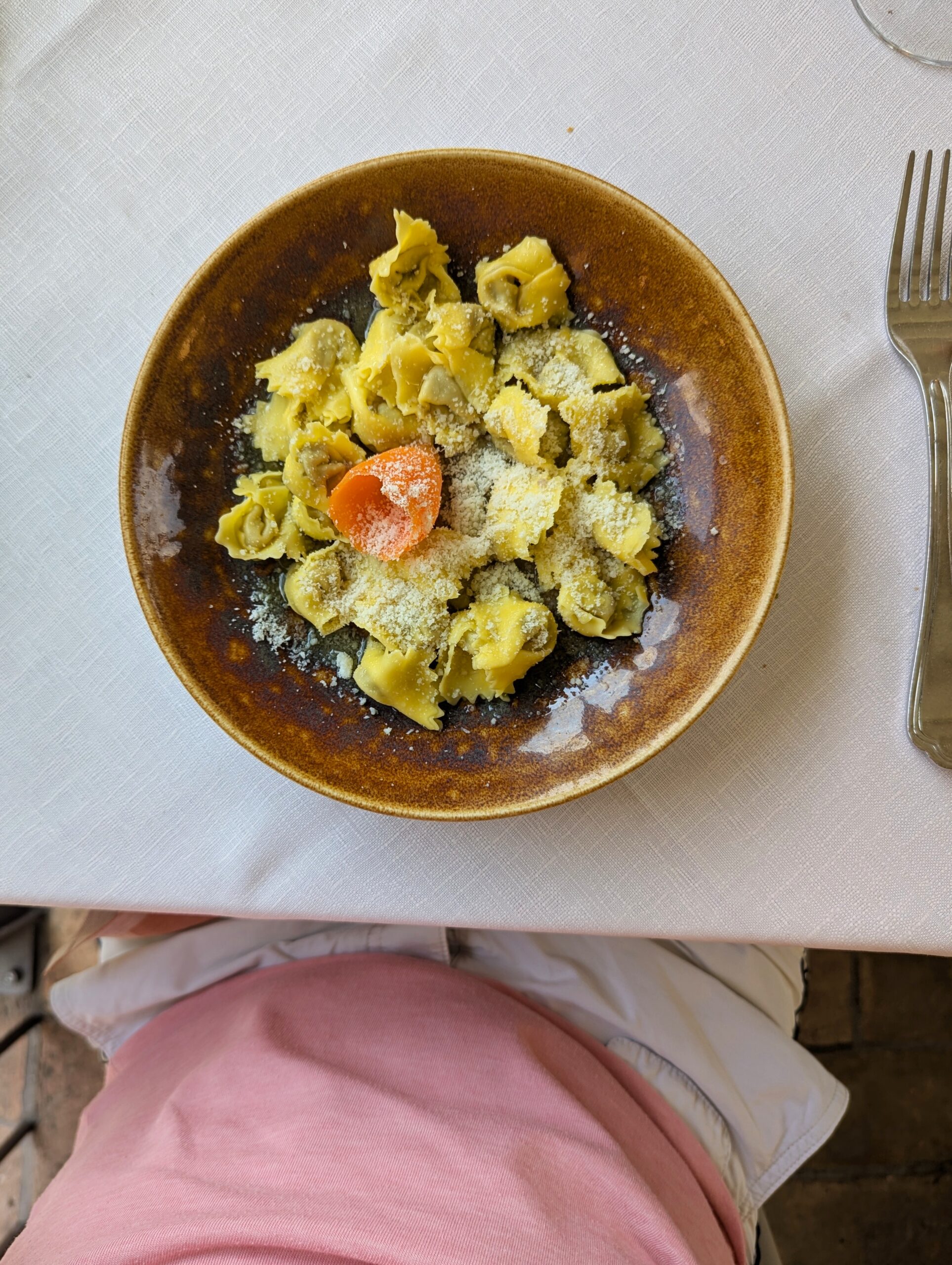
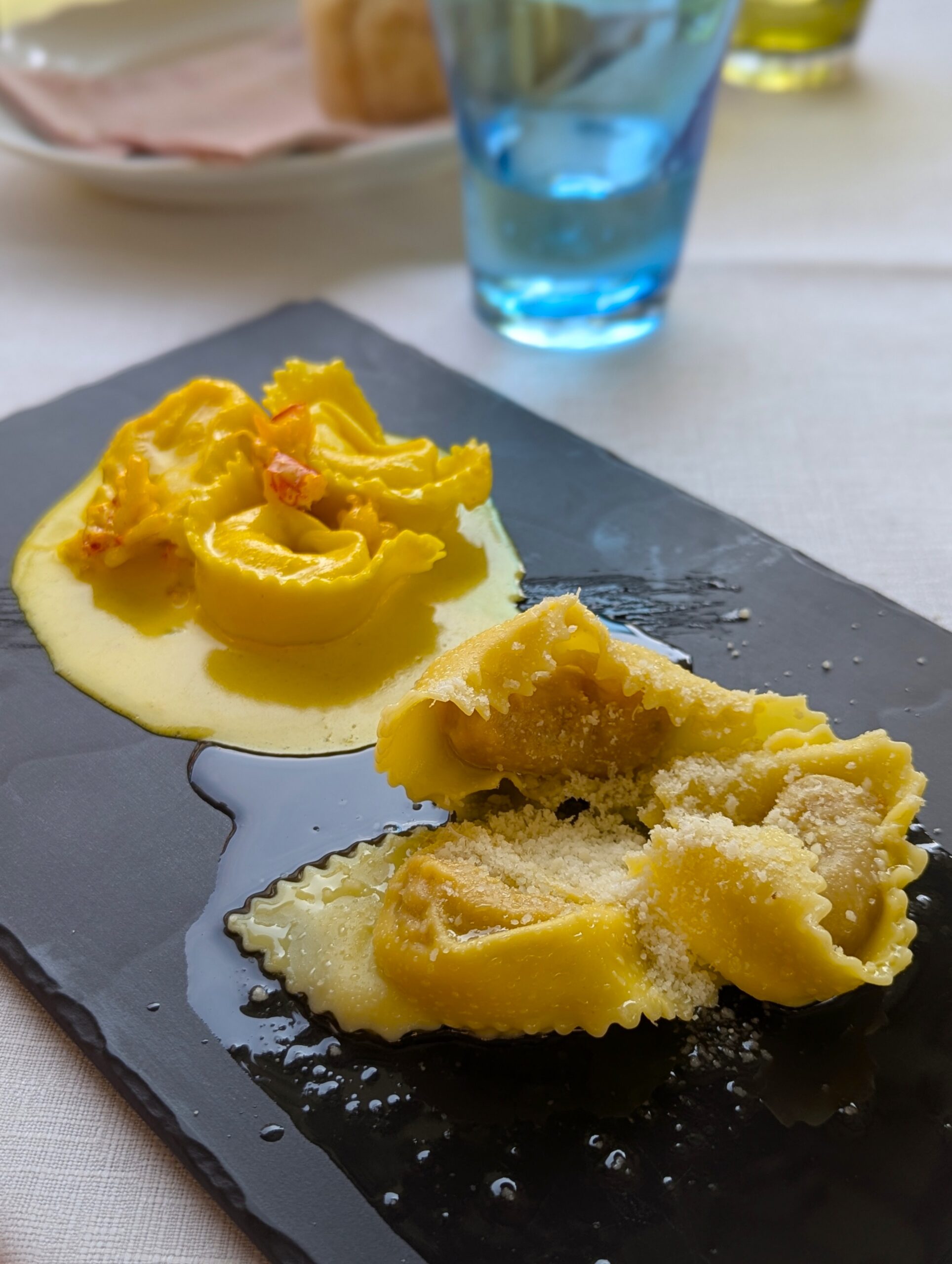
Tortellini di Valeggio
Verona and surrounding area is basically tortellini Heimat. No, they taste completely different from your local delicatessen store or your freeze-dried supermarket version. The dough is freshly made and immediately made into tiny stuffed pasta. This is especially good from the Valeggio sul Mincio area!

Bigoli con Ragu
Bigoli looks like a fat spaghetti but it is not. It is thicker and denser and has a great bite. Best served in ragù – stewed meat sauce – and paired with a strong Amarone.

Pastissada de Caval
Horse-eating supposedly dates from the times of the Lombards in the 6th century where slain calvary horses in the battlefields were gathered up and made into stews. Eeeuw. In any case, this is potent stuff.
Polenta
Polenta is made with rough corn flour and was basically peasant food. A good polenta needs to be pounded for the best texture, and in Verona, they like to eat it with renga (herring) stew. They really like stews here.


Risotto
The Veneto region is really risotto land. There is even an annual Rice Fair in the Isola della Scala outside Verona. Risotto al Tastasal is Verona’s signature risotto with chopped up salumi “tastasal“.
We asked around for traditional non-touristy restaurants still in the old city that do not have a phonebook sized menu in twenty languages. Here are some of them:
Osteria al Duca
Via Arche Scaligere
Osteria al carro armato
Vicolo Gatto
Osteria A La Carega
Via Cadrega
Trattoria La Molinara
Piazzetta Ottolini
Venture out of Verona
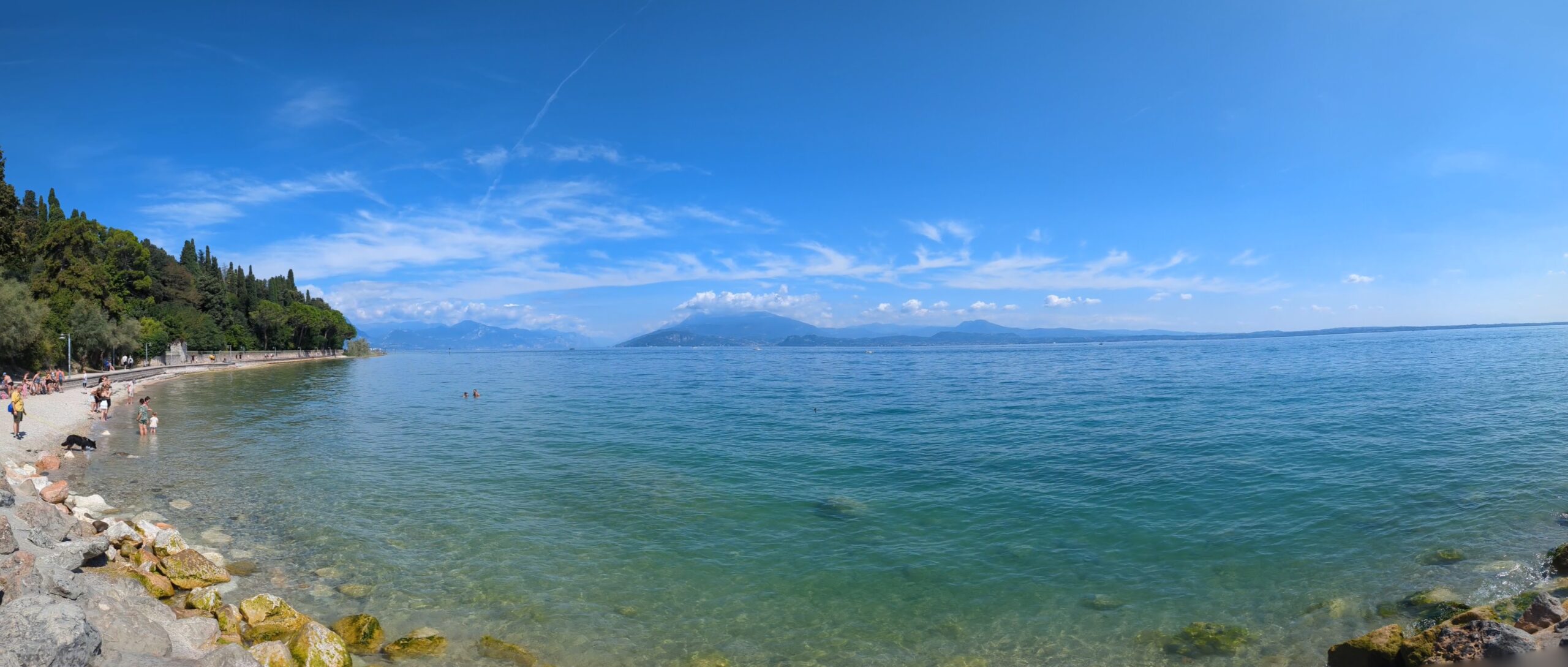
The Veneto region is beautiful! You should not restrict yourself to Verona and Venice.
For one, take a drive around the Lago di Garda. One of the most beautiful lakes in Europe, the small villages and towns are charming and peaceful compared to the madness of mass tourism.
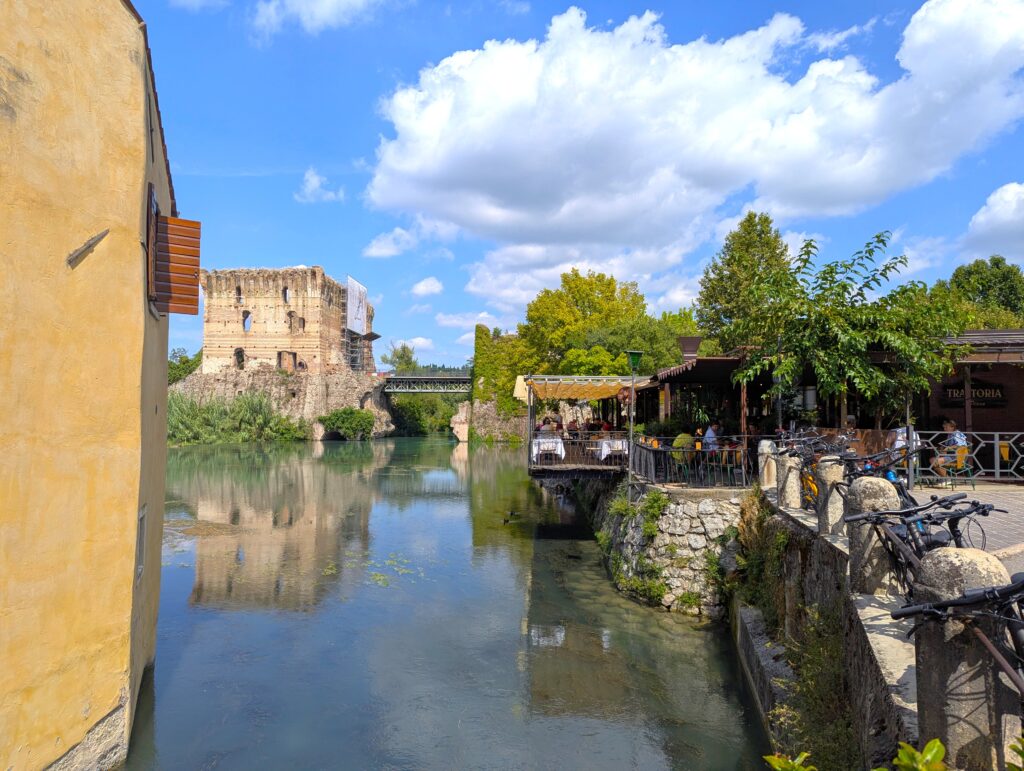


For us, we really liked the stop we made at the Borghetto sul Mincio. A small village across the River Mincio, this picturesque village was voted the most charming village in Italy. Not sure about the title, but we did enjoy the walks and views around the Ponte Visconteo.
Juliet’s House
OK. I have to warn you about this tourist trap. The story of Romeo and Juliet had been circulating before Shakespeare produced his play in the 1590s.
The first person who wrote down the story was Masuccio Salernitano, who in 1476 published the tale of ‘Marriotto and Gianozza‘ set in Siena. It was Luigi da Porto who copied the tale and published his version in 1530. He changed the names to ‘Romeus and Giulietta‘ and set it in Verona.
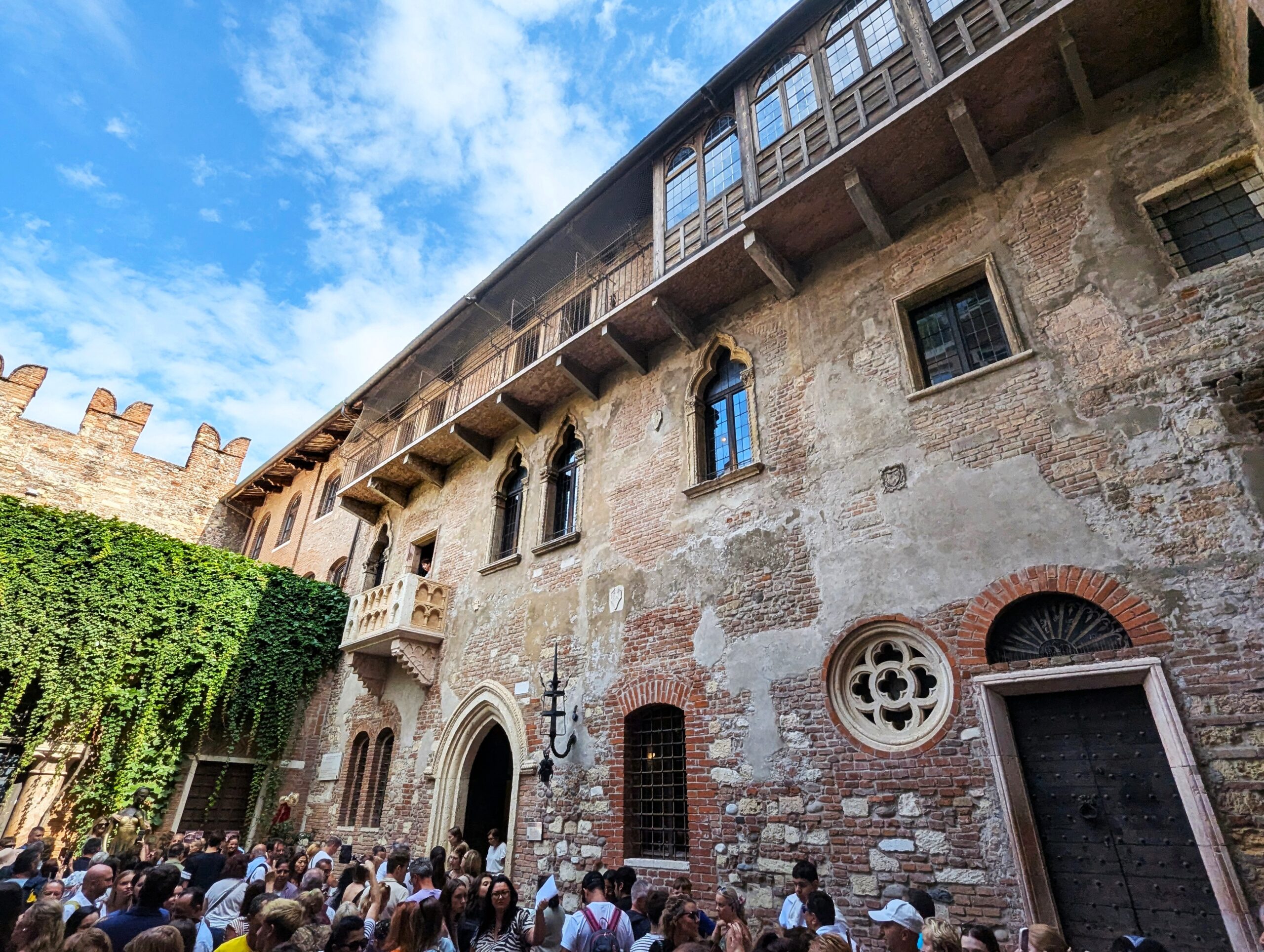
There were indeed two families named Montecchi and Cappelletti living in Verona, and were even known to Dante. The house where the Dal Cappello family ‘probably‘ lived is now sold as ‘Juliet’s House‘.
There was even no balcony. The stone balcony you see today is recycled from 14th century marble remains found in the Castelvecchio museum.
Despite of all this, millions of tourists flock to this house and pay to play Juliet on the recently-added balcony.
The city definitely cashes in on stupidity.
If you do want to see a 14th century town house, go there on a weekday, take a peek for free in the courtyard, and that’s it.
You will see around the city plaques quoting Shakespeare’s play, such as the one that indicates where Mercutio was killed by Tybalt.



The Roman Plaque to Love
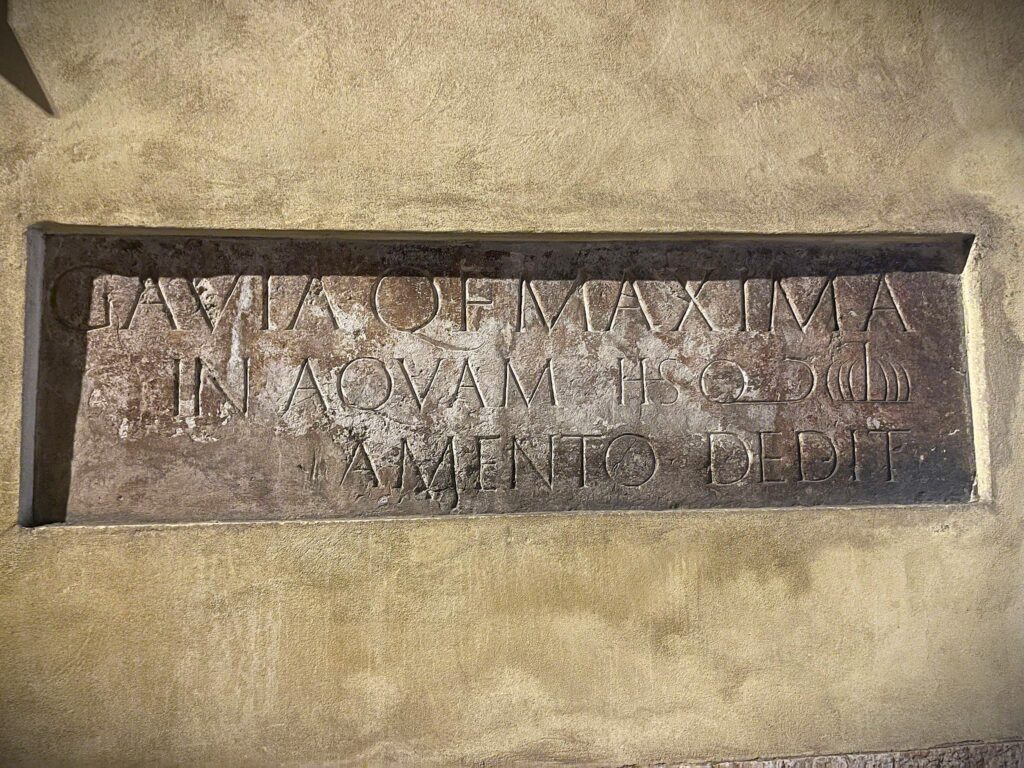
Somewhere on a street in Verona, you may find this Roman plaque dedicated to Love, which is far more genuine than the myth of Romeo and Juliet. Here is a translation:
Life’s most precious gift
is given to lovers.
Let me know if you can find it.